What it is
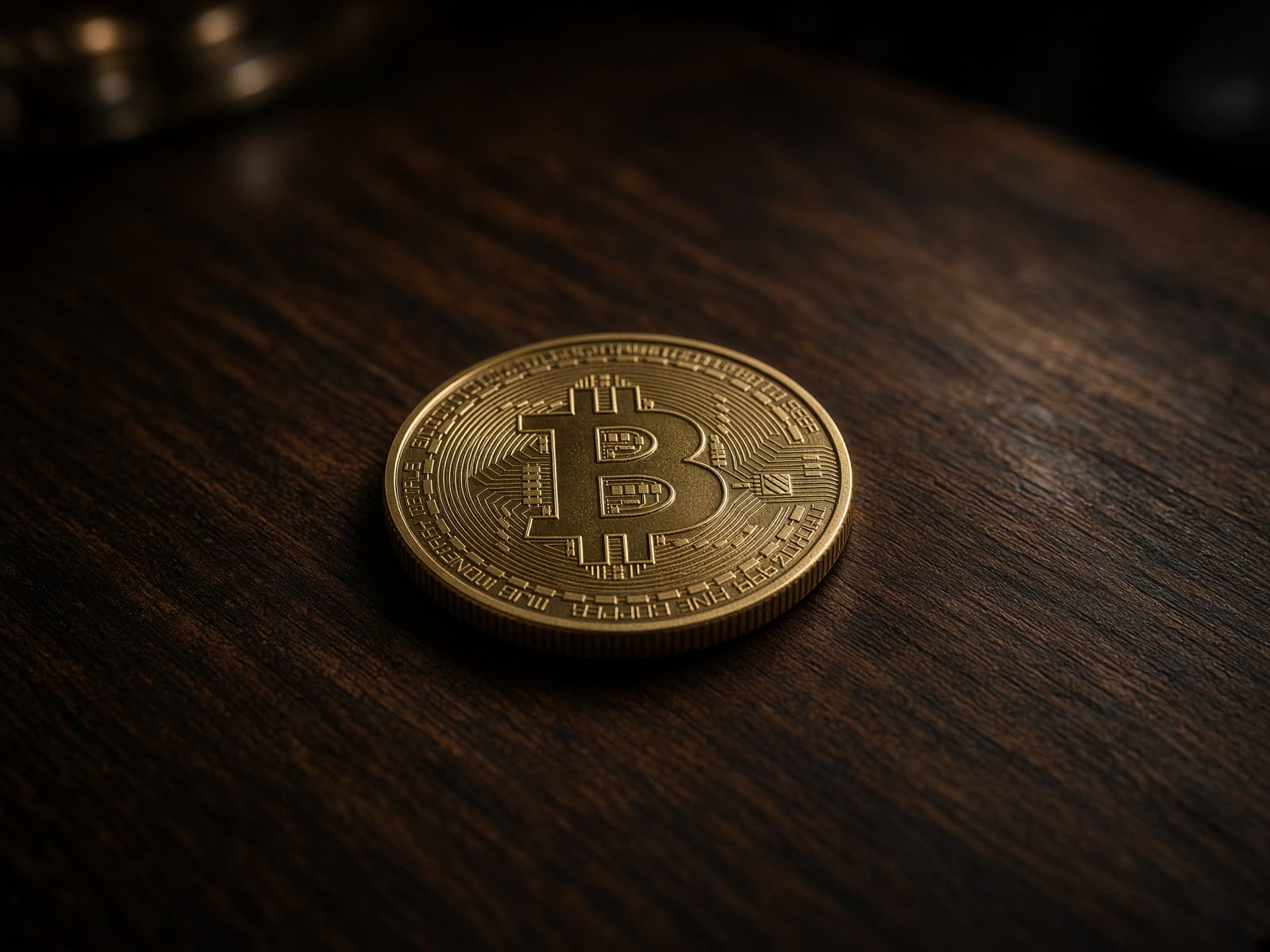
Bitcoin is a peer-to-peer electronic cash system launched in 2009 by the anonymous author Satoshi Nakamoto. There is no company, no CEO, and no support desk. A global network of computers agrees on a public ledger of who owns what. That ledger is the Bitcoin blockchain.
Why people hold it
The supply is capped at 21 million coins. New bitcoin enters circulation through mining, and the issuance is cut in half about every four years (the halving). That scarcity — plus the fact that no central bank can inflate it — is why many treat Bitcoin as digital gold: a long-term store of value, not a payment app for coffee.
How it actually works
Miners expend energy to add blocks. That energy cost is the security. Transactions are public, but names are not — you hold bitcoin with a private key. If you lose the key, the coins are gone. If someone else gets the key, the coins are theirs. There is no password reset.
What beginners get wrong
Bitcoin is slow and expensive on the base layer by design. Faster, cheaper payments happen on layers like Lightning. Also: buying a paper-IOU for bitcoin on an exchange is not the same as holding bitcoin in a wallet you control. Not your keys, not your coins.
Not financial advice. Knowing a ledger is not the same as buying the asset.